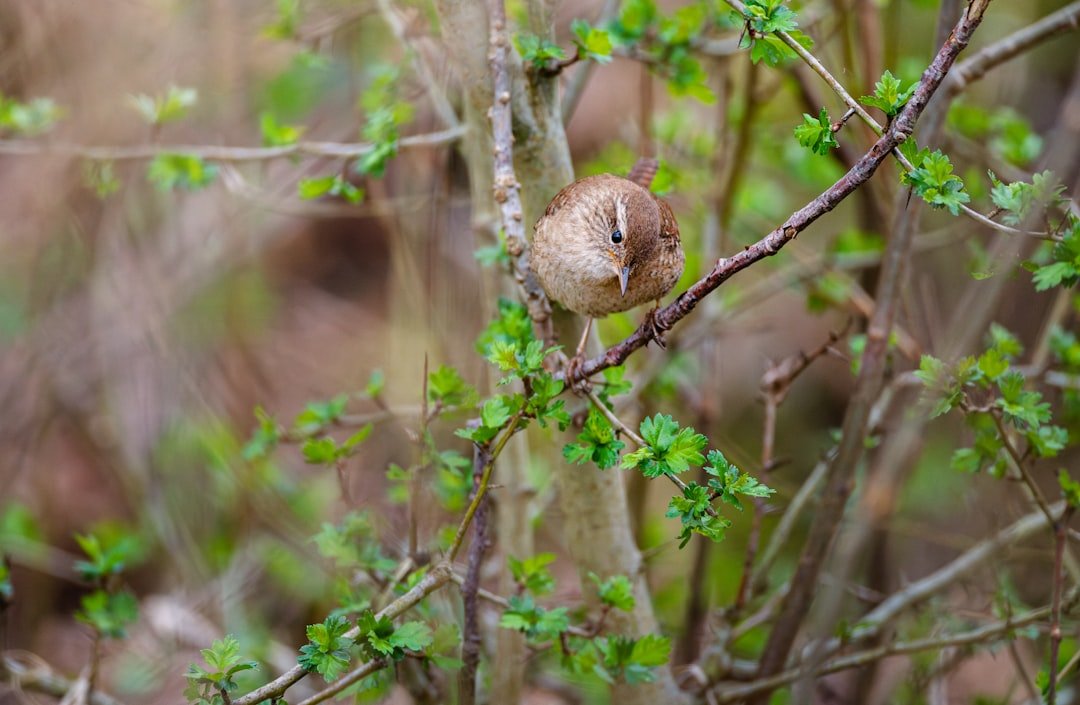
Attracting Wrens to Your Backyard: A Guide to Their Favorite Habitats and Foods
May 29, 2026
Photo by heino eisner on Unsplash
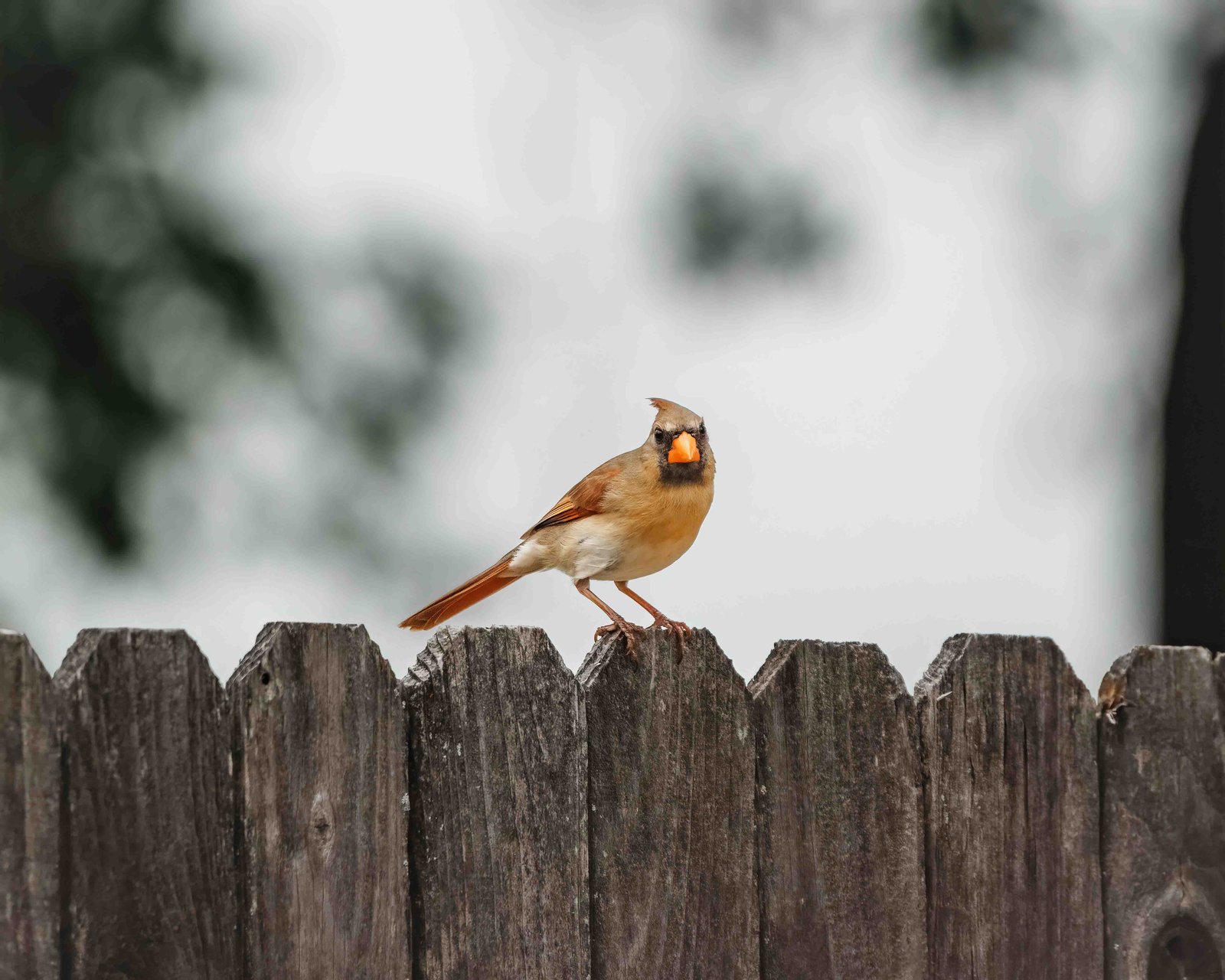
Welcome to the exciting world of birding! As a beginner, one of the most rewarding aspects is learning to identify the birds that visit your backyard. It might seem daunting at first, but by focusing on a few key characteristics, you’ll quickly become a pro at spotting your feathered friends. Think of it like learning to recognize people – you start with general features and then notice the finer details.
First, consider the bird's size and overall shape. Is it smaller than a sparrow, sparrow-sized, robin-sized, or larger, like a crow? Pay attention to its body shape, too. Does it have a long tail, a short stubby one, a round body, or a slender build? The shape of its beak is also a big clue – is it short and thick for seeds, long and thin for insects, or hooked for tearing? For example, the plumpness of a chickadee versus the slender profile of a nuthatch can be your first clue.
Next, observe the bird's plumage – its feathers. What are the main colors? Are there any distinctive patterns like stripes, spots, or wing bars? Look for colors on the head, breast, back, and wings. Even subtle differences, like the white eye-ring on an American Goldfinch or the black cap of a Black-capped Chickadee, can be essential for identification. Sometimes, it’s not just the color, but *where* the color is that helps distinguish species. You might also notice the distinct patterns on a woodpecker or the subtle barring on a Downy Woodpecker’s tail.
A bird's behavior can be just as telling as its appearance. How does it fly – undulating or direct? How does it move when perched – hopping, climbing, or walking? What is it doing? Foraging on the ground, probing bark, or visiting a feeder like the BirdReel BF11 Gen 2 Smart Bird Feeder? Observing their actions can provide vital clues. Many beginners find that watching how birds interact with their environment, or even how they approach a feeder, offers a unique identifying characteristic.
By combining these observations – size, shape, plumage, and behavior – you'll build a solid foundation for bird identification. Happy birding!
Choose what we may store. You can change this anytime via “Cookie preferences” in the footer.